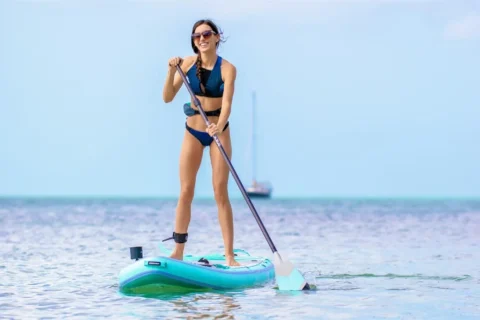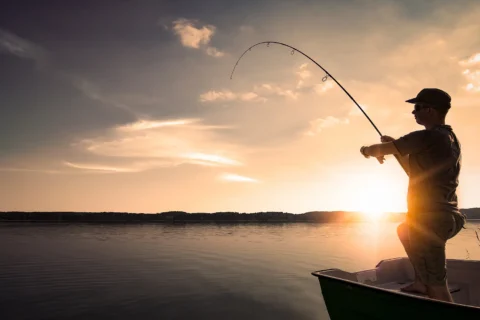

Paddle Board and kayak
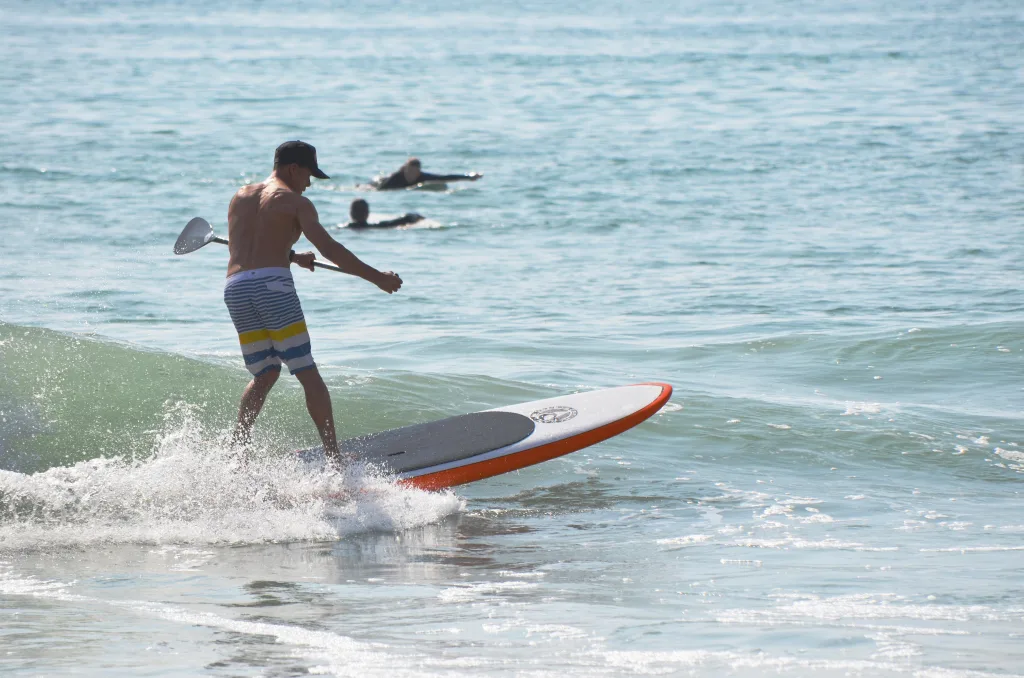
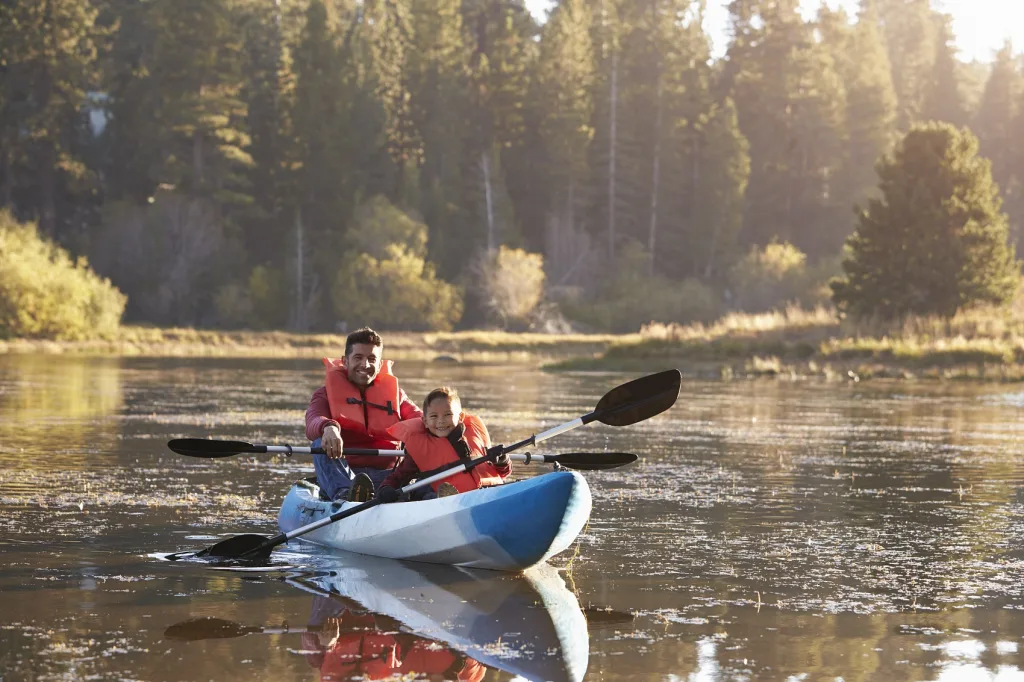
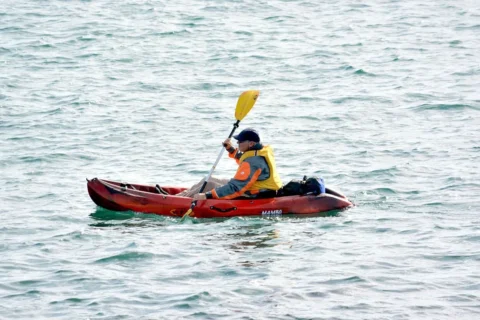
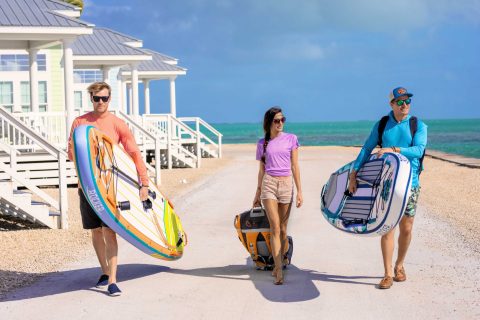
Paddle boards stand up and kayaks sit down. Paddleboarding requires more balance and core strength, and kayaking requires more upper body strength and coordination
Paddle board use double paddle and Kayaks normally use double blade paddle.
The stroke technique of the paddle board is more graceful, and the stroke technique of the kayak is faster.
Both paddle boards and kayaks have a distinction between hard boards and inflatable boards, but the mainstream is the inflatable version of the paddle board and hard plastic kayaks.
Rigid boards and rigid kayak are more stable and durable, while inflatable paddle board and inflatable kayak are lighter and more portable.
Both paddle board and kayak can be used for activities in still water or moving water, but paddle board are more suitable for individual experience-based play, and kayaks are more suitable for group play.
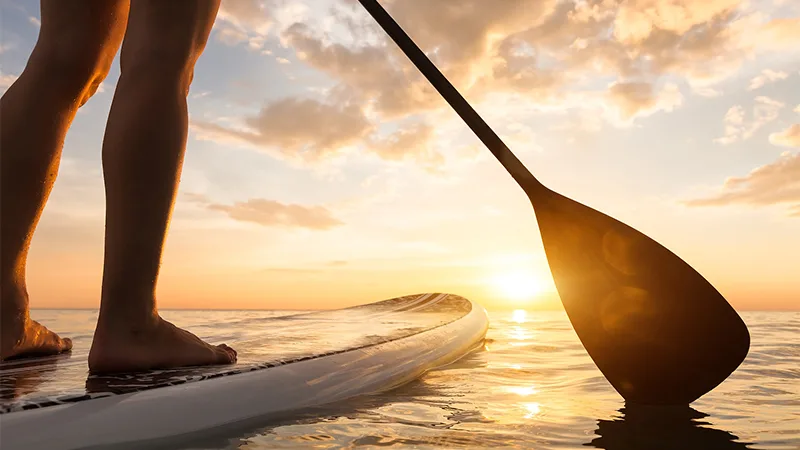
Tips for paddle board:
- Holding the paddle: Lift the paddle above the head with both hands, and the elbow joints form a 90-degree angle. At this time, the distance between the two hands is the optimal paddle distance. The paddle should be perpendicular to the water surface and the handle should be parallel to the water surface
- Water paddling: The width of the hand holding the award is about shoulder width, and the right side is the first to stroke. When the hand is down, the upper body naturally turns to the right, and the left hand is straightened to about shoulder height, and stretched over the hull to the right. When the right side floats backwards, the body naturally turns to the left, then the left hand goes into the water, the right hand moves over the hull to the left, and uses the pedals to increase strength. When returning the prize, the height of the prize leaves should not exceed the height of the shoulders.
- Turning: There are two methods, one is sweeping, that is, make an arc-shaped stroke on the side you want to turn, from front to back or from back to front; the other is rudder, that is, when you want to turn Make a stroke in the opposite direction, back to front or front to back.
- Balance: When standing, keep your knees slightly bent, your body relaxed, and your center of gravity on the soles of your feet. Use your lower back and core muscles to control your balance not your arms or legs. If you feel like you are going to fall, you can use the prize to support yourself in the water
Tip for kayak:
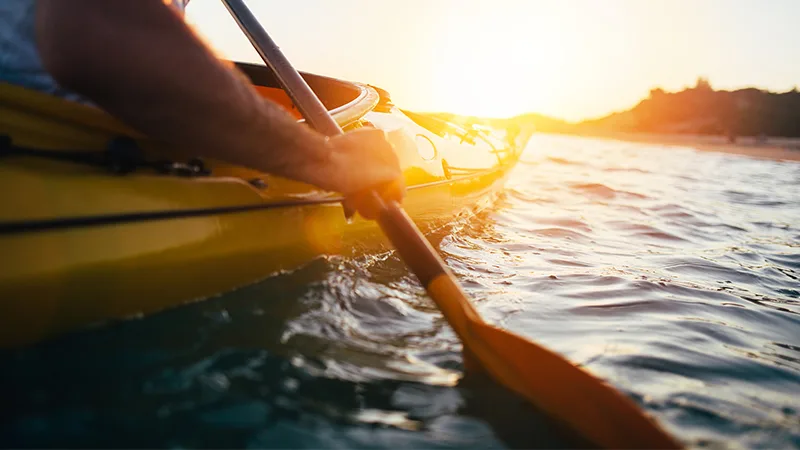
- Sitting position: Sit in the boat cabin, with your legs straight or slightly bent, and the soles of your feet on the pedals. Keep your back straight or slightly forward, don’t lean back. Hold the single or double blade paddle with both hands, arms shoulder-width apart.
- Stroke: Use your lower back and core to rotate, not just your arms. Paddle the prize leaf into the water at a 45-degree angle to your body. Push the handle firmly and retract the handle on the other side at the same time. Lift the prize leaf out of the water and repeat the above action.
- Turning: There are two methods, one is sweeping, that is, make an arc-shaped stroke on the side you want to turn, from front to back or from back to front; the other is rudder, that is, when you want to turn Make a stroke in the opposite direction, back to front or front to back.
Related Blogs
-

Introduction of Cooler Boxes
Introduction:In a world where convenience and efficiency reign supreme, the humble cooler box stands tall as a beacon of innovation and practicality. …
-
Sit on Top Kayak Manufacturer: Everything You Need to Know
Sit On Top Kayak Manufacturer – Kayak Wholesale Price – Sit On Top Kayak For Sale – Custom Brand And Color – Fast Deliery
-
Plastic Cooler Manufacturer in China
Plastic Cooler Manufacturer in China – Ice Box From Factory – OEM Cooler Box Supplier – Wholesale Price And Low MOQ
-
Q&A for Paddle Board Beginner
Asked before playing I can’t swim, can I experience paddle boarding? Answer: You can experience paddle board sports. Paddle boarding is a water …
-
Cooler Box Wholesale
Cooler Box Wholesale – Ice Box Supplier From China – Wholesale Price – Insulated Cool Box For Camping – Outdoor Equipments
-
Discover Double Kayak Wholesale: Everything You Need to Know
Double Kayak Wholesale Price – Tandem Kayak For Sale – Two Person Kayaks For Wholesale – Kayak Manufacturer
-
Introduction to SUP Paddles: Choosing the Right Supplier
Introduction to SUP Paddles: Choosing the Right Supplier ,Paddle Board Paddle, SUP Paddle For Sale, Various Materials For Shaft And Blade
-
Wholesale Kayak Supplier: A Comprehensive Guide
Find the best wholesale kayak suppliers to boost your business success. Choose the right kayaks for your target market.
-
Best Fishing Kayak Manufacturer
Fishing Kayak Manufacturer- Blogs Different Kayak Styles For Your Choice – Kayak Supplier In China – Custom Color And Logo